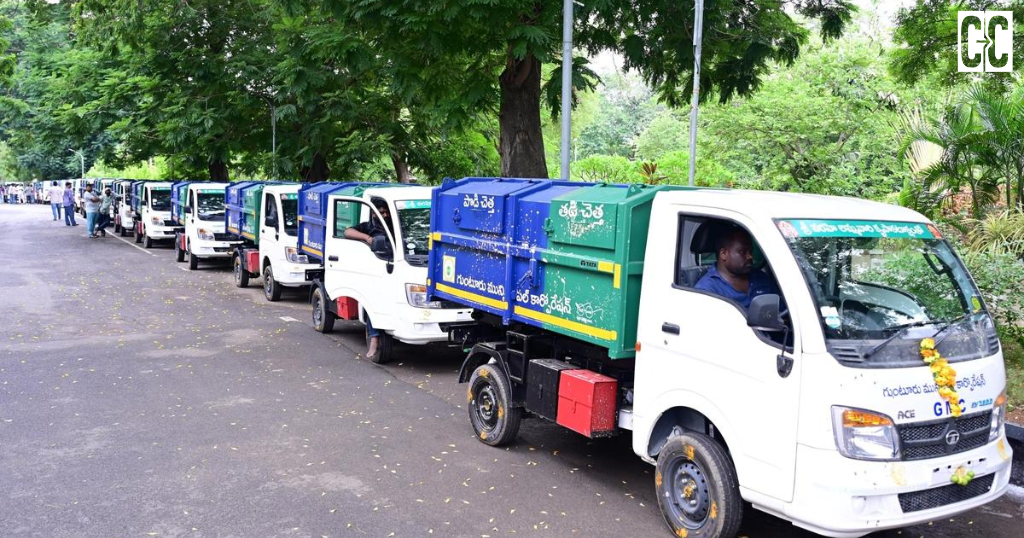
Balamala Malli’s journey from a waste picker in Guntur to a sanitation entrepreneur shows how mechanisation, skill development and financial support can transform hazardous informal work into a safer, dignified and self-reliant livelihood.
More than 89,000 sewer and septic tank workers have been formally validated under India’s principal sanitation-worker welfare scheme since 2023, and official profiling data indicate that over 90 per cent of those identified belong to Scheduled Caste, Scheduled Tribe, or Other Backwards Class communities — underscoring sanitation work’s long-documented association with caste in India. Against …